 Rifnote
Loading your desk


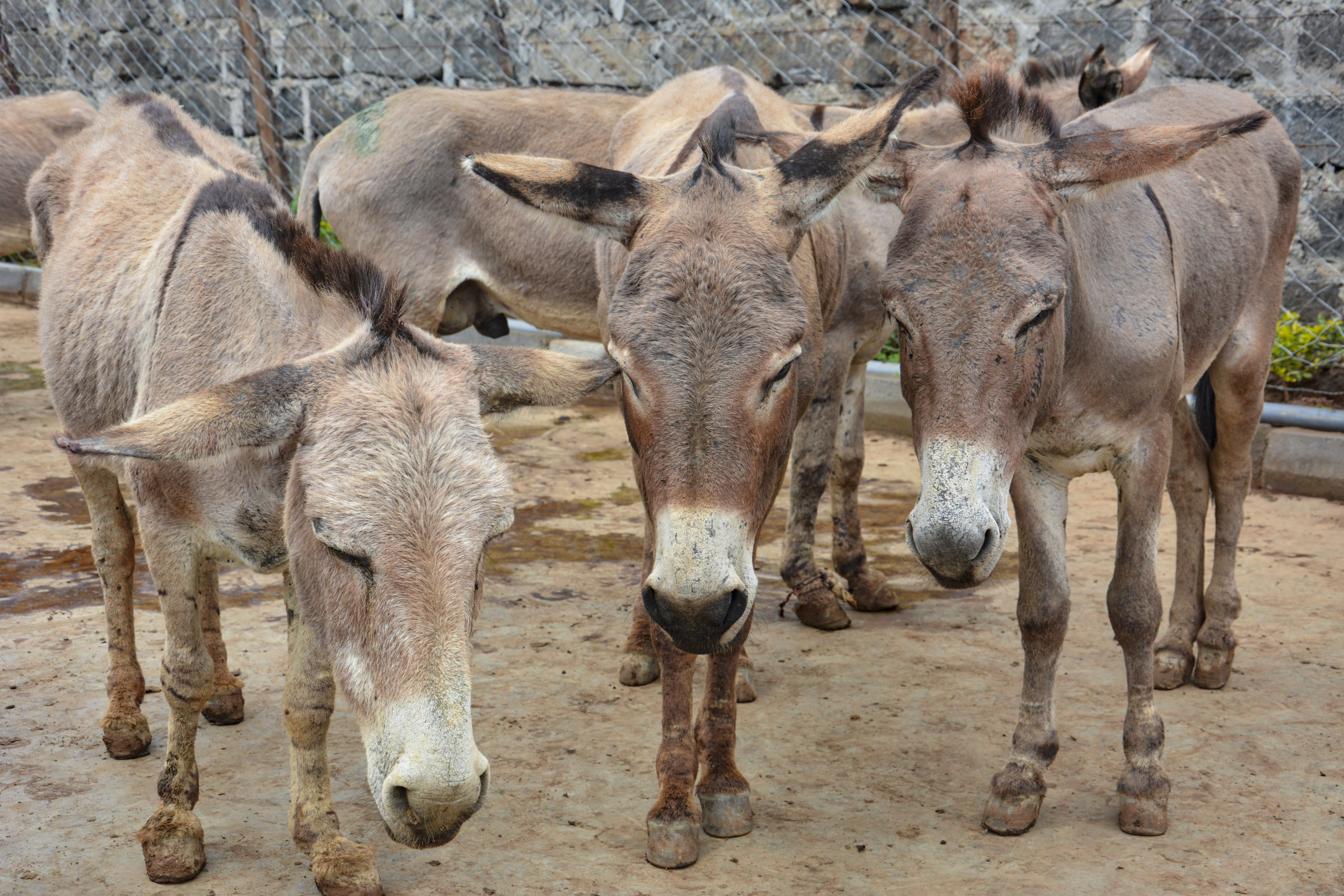
Why China imports millions of donkey hides from Africa every year
China imports millions of donkey hides from Africa because demand for ejiao, a donkey-hide gelatin tonic now consumed by tens of millions of Chinese women, requires 4-5 million hides a year, far more than China’s own donkeys can supply, according to economist Lauren Johnston.
China’s demand for a traditional medicine made from donkey hides is driving the removal of millions of donkeys from Africa, economist Lauren Johnston says in The Conversation Africa, in a Q&A about her book, China, Africa and the Market for Donkeys. “The demand is driven almost exclusively by China,” said Johnston, a specialist on China-Africa trade.
The product is ejiao, pronounced “e-jyow,” a donkey hide gelatin-based tonic for the blood. For millennia it has been used to treat fatigue, dizziness, dry cough and irregular bleeding, and to support female wellness. It is now consumed by tens of millions of Chinese women. For most of its history it was handmade for a small circle of imperial elites; production became industrial only in recent decades.
Johnston said ejiao was until recently mainly medicinal but has been commercialised into cakes, drinks, cosmetics and other wellness products. It sells at accessible prices in pharmacies and for thousands of renminbi at the premium end, where lead producer Dong’e Ejiao pushed price increases greater than those enjoyed by Shanghai and Beijing property owners over the 2000s and 2010s. Demand also exists in Hong Kong, Taiwan, the US, Europe, Australia and south-east Asia.
Johnston, who described herself as an economist rather than a nutritional scientist, said the tonic’s reputation is linked to its collagen-rich composition, but whether pharmacological findings translate into clinically established effects “remains contested.”
Supply is the problem. Current demand requires 4-5 million hides a year, far more than China’s donkey stock can supply, Johnston said, and donkeys are slow breeders. From around 2010 the industry began to run short of hides and turned to Africa, which holds about two-thirds of the world’s donkeys. Ethiopia, Kenya and Tanzania were early targets, but returns grew so great that “essentially no donkey in Africa was safe.” One hide can fetch over US$400 in China.
The Donkey Sanctuary, a UK-based welfare organisation, estimates China imports more than three million hides annually, of which 25%-35% are from stolen animals. In South Africa, a donkey that fetched about US$30 in the late 2010s sold for US$125 by 2022. Johnston said owning a donkey saves women some five hours of labour a week and children about ten, and that household income, food security and schooling suffer when one is stolen or priced out of reach. The trade has also been linked to organised crime, inhumane slaughter and biosecurity risks.
The 2022 Pan-African Donkey Conference produced the Dar es Salaam Declaration, calling for a 15-year continental moratorium on slaughtering donkeys for hides. The African Union summit backed it in February 2024. Implementation requires each member country to change and enforce its laws, and Johnston said progress is “far from enough to save the donkey.” Bans can also push trade underground: South Africa’s limits sent supply through Lesotho.
POPULAR
- Szoboszlai agrees with Iraola over Liverpool’s denied penalty against Arsenal
- Stevens ‘flushed herself down the toilet’: Van Jones
- Bayern handed Hertha test as DFB-Pokal round-of-16 draw produces blockbuster ties
- Obi’s camp dismisses viral report he broke his neck in gym
- Banks hike lending rates for top borrowers despite CBN cuts