 Rifnote
Loading your desk


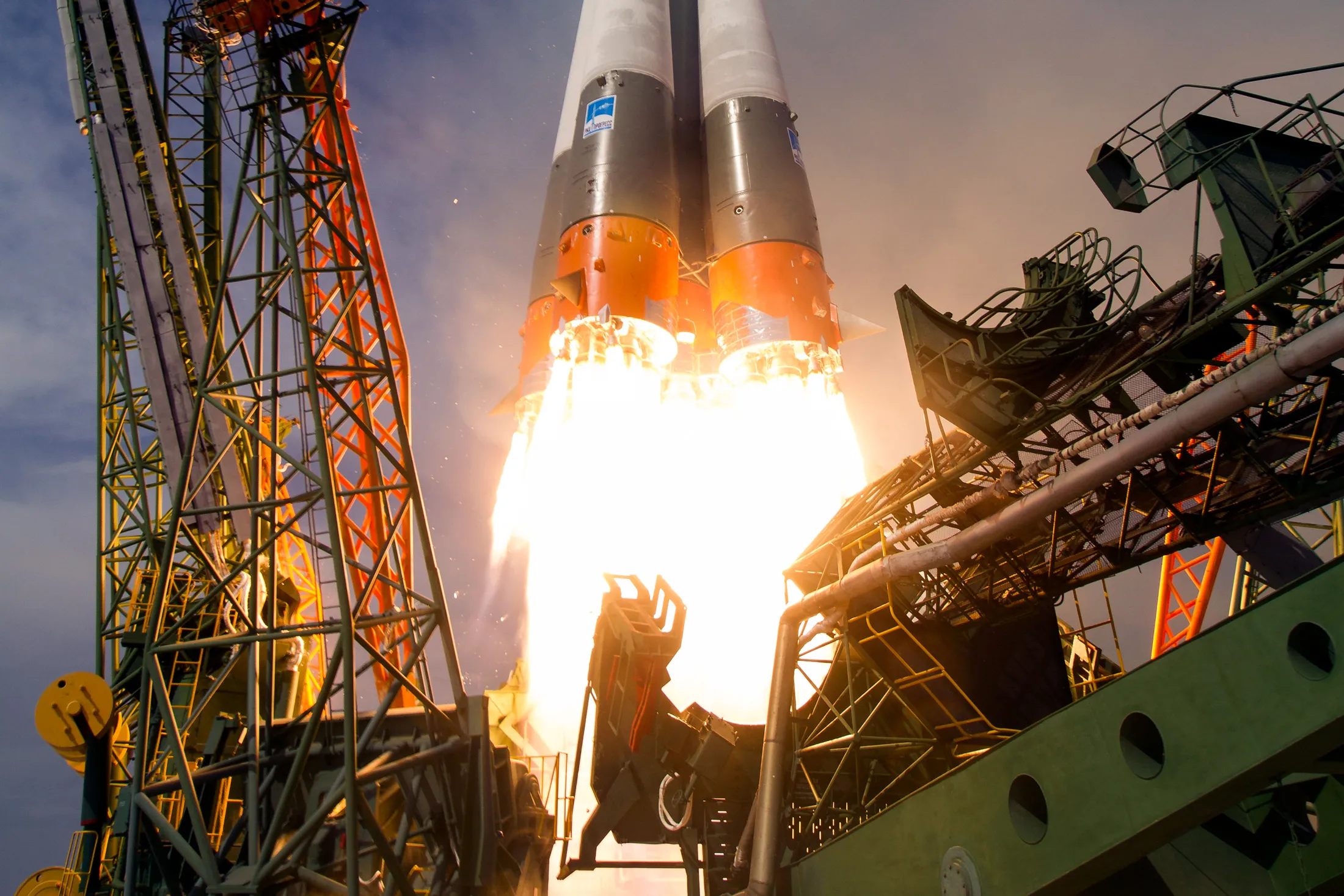
Russia’s nuke space weapon could end the world as we know it…
German intelligence has reportedly warned that Russia could launch a nuclear-armed satellite within 60 days, a claim Moscow rejects and nuclear experts view sceptically.
Germany’s foreign intelligence agency, the BND, has reportedly established that Russia has assembled a nuclear-armed satellite, Sputnik-S, and is nearly ready to launch it. The claim is being discussed in Nato circles this week.
A joint investigation by several German media outlets said the satellite could be launched within 60 days. Reports say it was assembled several years ago and is stationed in the Moscow region. Berlin says it is taking the reports seriously, while Moscow has dismissed the allegations.
Nuclear experts are sceptical. “There is so little detail about what is being alleged in terms of what Russia plans to do,” said Dr Bleddyn Bowen, an associate professor of astropolitics at Durham University and a nuclear weapons specialist. “The level of vagueness around saying Russia wants to put a nuclear bomb in space is similar to saying it wants to put a warship in the sea,” he said. Pavel Podvig, a Russian nuclear weapons expert, said: “I don’t think there is evidence that Russia is putting anything nuclear in orbit.”
Dr Bowen said a weapon in orbit would be hard to maintain. “If you deploy nuclear weapons in space, they are as vulnerable as the satellites you want to target. Unlike ground-based missile silos, you don’t have people in the system who can physically look after them and maintain them to make sure that they’re ready to go,” he said. He added that an electromagnetic pulse would hit Russia too. “The effects of using them would be extremely indiscriminate. Western Russia is also very close to Europe, so it’s not like Russia is going to escape the effects if they do this thing.” On China, he said: “Do they want to have their electrical grids going out? I very much doubt it.”
A recent preprint study by researchers at the University of Wisconsin-Madison and Princeton modelled a nuclear detonation 500km above Earth. The initial blast would disable around 3 per cent of satellites in low Earth orbit, but repeated exposure to trapped radiation would disable 98 per cent within a week. “These developments renewed concern that a nuclear weapon could be used against orbital infrastructure, with consequences extending beyond the satellites targeted,” the scholars wrote. “Such a weapon could be delivered by a missile or placed in orbit as a payload and detonated later.”
The effects have precedent in the 1962 Starfish Prime test. A thermonuclear warhead detonated at 400km crippled a third of the world’s satellites and knocked out 300 street lights in Hawaii. SpaceX, which provides Starlink internet to Ukraine, operates about 65 per cent of satellites in low orbit.
Dr Bowen said the reported plan would violate the 1967 Outer Space Treaty and the 1963 Partial Nuclear Test Ban Treaty, which both forbid the use of nuclear weapons in space.
POPULAR
- Pete Edochie dead at 79
- ‘There’s only one club in Manchester!’ – Hojlund fires X-rated dig at Man City supporters
- Jobe Bellingham names Arsenal star as weak link in Champions League draw
- El-Rufai denies tapping NSA Ribadu’s phone, says comments were political rhetoric
- Yahaya Bello trial: How Kogi LG funds allegedly repaid N2.1bn loan — EFCC witness