 Rifnote
Loading your desk


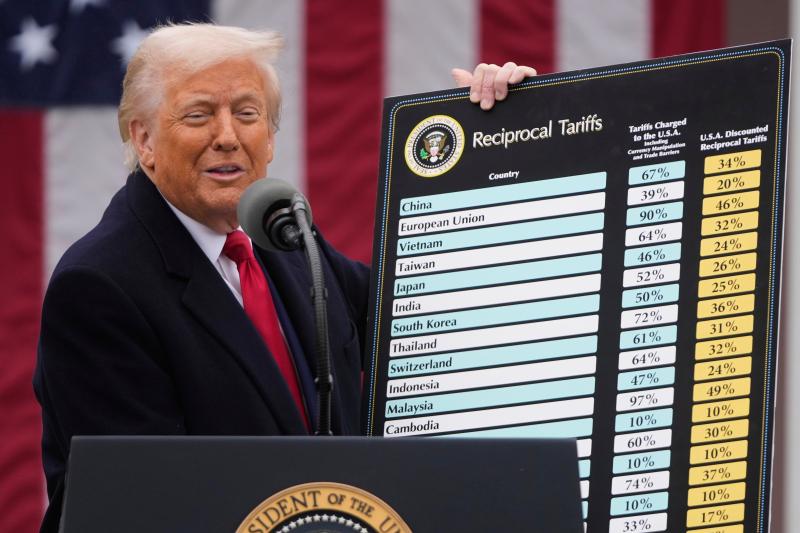
US moves to impose fresh tariffs on 14 trading partners
The Trump administration proposed new Section 301 tariffs on 14 trading partners, led by a 20% levy on China, saying excess overseas manufacturing capacity is hurting US businesses.
WASHINGTON — The Trump administration on Wednesday proposed a fresh round of tariffs on 14 US trading partners, among them China, Japan, India and the European Union, arguing that excessive manufacturing capacity overseas is hurting American businesses.
The proposed duties would be imposed under Section 301 of the Trade Act of 1974, months after the Supreme Court struck down a swath of President Trump’s earlier tariffs. In February, the court invalidated his “Liberation Day” tariffs and the 2025 “reciprocal” duties. The new proposals mark Trump’s biggest push yet to put his tariffs back on solid legal ground.
The proposals follow an eight-month investigation that US Trade Representative Jamieson Greer’s office launched in March into 16 trading partners. It focused on foreign factory subsidies and excess output, which Greer and other officials say give overseas firms an unfair edge and flood world markets with cheap goods. When the probe opened, Greer said key partners had built production capacity “untethered from the market incentives of domestic and global demand.”
China would face an additional 20% levy, on top of roughly 25% in duties imposed during Trump’s first term, according to a US official. That would keep China above the 20% proposed rate for Vietnam. The proposed duties would not exceed the limits set in existing trade deals, including a 15% cap agreed by the EU, Japan, South Korea and Taiwan and a 19% cap agreed by Malaysia. India and Vietnam have no finalized deals and remain in negotiations. China has rejected the accusations, saying its exports reflect competitive advantages.
Tariffs have been a hallmark of Trump’s second term. He has promised they will bring back manufacturing and other jobs to the US, while many economists blamed last year’s levies in part for persistent inflation. A Reuters/Ipsos poll taken after November’s midterm elections found 62% of respondents would support efforts to repeal the tariffs.
The US official said Washington found that each of the 14 partners contributes to structural excess capacity through practices it considers “unreasonable and burden or restrict US commerce.” The Trade Representative’s office is still reviewing its probes into Mexico and Norway, which were not included, and has given no timeline. Specific rates are to be published in a Federal Register notice on Wednesday. The official said the new duties could push more countries to finalize trade agreements, possibly at a G20 leaders’ summit in Miami in December.
POPULAR
- Pete Edochie dead at 79
- ‘There’s only one club in Manchester!’ – Hojlund fires X-rated dig at Man City supporters
- Jobe Bellingham names Arsenal star as weak link in Champions League draw
- El-Rufai denies tapping NSA Ribadu’s phone, says comments were political rhetoric
- Yahaya Bello trial: How Kogi LG funds allegedly repaid N2.1bn loan — EFCC witness