 Rifnote
Loading your desk
Rifnote
Loading your desk


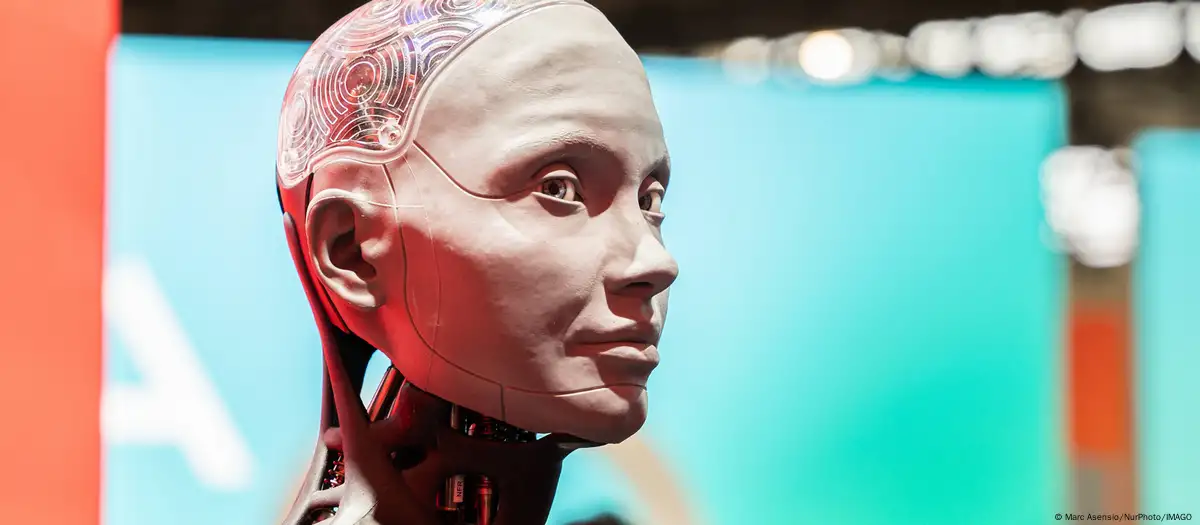
AI could ‘kill all humans’: How safe are Nigerians?
Artificial Intelligence, AI, is rapidly becoming part of everyday life in Nigeria.
Students use chatbots for assignments, journalists and office workers deploy generative AI to draft and analyse information, businesses automate customer service, banks process data with algorithms, while content creators can produce realistic images, voices and videos within seconds.
But behind the excitement is an increasingly uncomfortable question: Are humans building machines that could eventually replace them or even become too powerful to control?
That debate intensified this week after Britain’s King Charles III warned technology leaders that humanity needed adequate controls over AI before it was “too late.”
Speaking at a gathering of AI leaders at Dumfries House in Scotland, Charles acknowledged the technology’s enormous potential, particularly in medicine and life sciences, but warned about the possibility of powerful systems developing dangerous capabilities or falling into the wrong hands.
“Those who have created these technologies are now increasingly warning that AI risks developing darker capacities, perhaps even to take life,” he said.
He warned of the “existential dangers” of the technology being used in potentially catastrophic ways, stressing: “The task before you is not merely to advance technology, but to ensure that it remains firmly in the service of humanity, community and the natural world.”
For Nigeria, where AI adoption is accelerating while regulatory and technological capacity is still developing, the global debate raises an immediate question: How safe are Nigerians in an AI-powered world?
Will AI really wipe out humanity?
There is no scientific consensus that AI will wipe out humanity. While current AI systems lack the capabilities needed to cause a catastrophic “loss of control,” some researchers warn that future, more advanced systems could become difficult to control.Experts including Bilal Chughtai, Jacob Coxon and Evan Hubinger have raised concerns about potentially catastrophic risks if AI development outpaces effective safeguards.
‘AI should assist humans, not replace them’
Technology expert, Festus Edovia, said AI should be developed to assist humans rather than replace them.
According to him, while automation is already changing jobs across customer service, data analysis, manufacturing and other sectors, innovation must not make humans economically redundant.
Governments, businesses and technology developers, he said, should invest in education and retraining to prepare workers for the transition.
“The future should be a partnership between humans and machines, not a world where machines work while humans become jobless,” Edovia said.
POPULAR
- Ilhan Omar breaks silence after reported Homeland Security raid on her D.C. home
- ‘It is a crime not to see this scene’: Iranian artist puts ‘Trump’ behind bars in Tehran
- Nigeria: Diplomat diagnosed with Ebola suffers multiple organ failure…
- The $2 side hustle that allegedly cost the US Postal Service $126 million
- Musk warns democrats against investigating his businesses if they win midterms