 Rifnote
Loading your desk


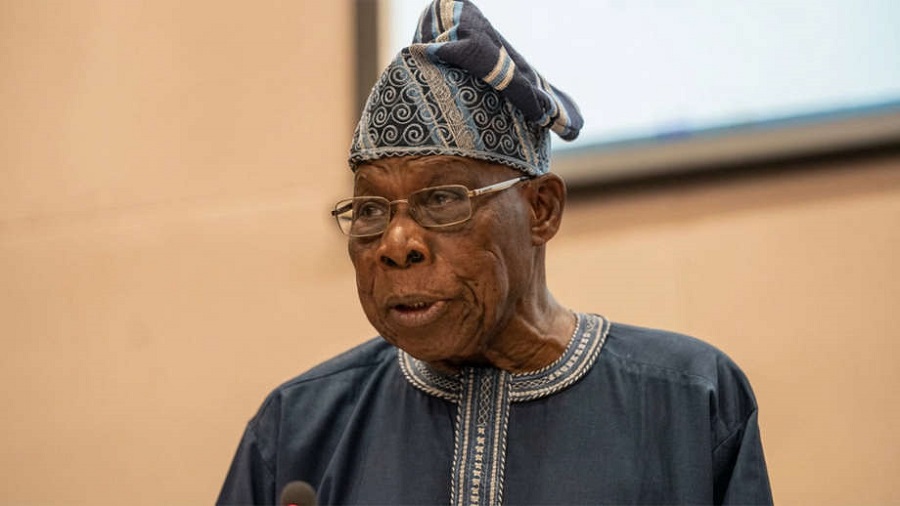
Obasanjo’s unending war against Yoruba leaders
Leaders like the late Ahmadu Bello, an active participant in the recruitment process of mostly disadvantaged Nigerian youths into the military and many model builders believe the major incentive for Nigerian youths and their counterparts elsewhere in West Africa for joining the military was the opportunity it provided to climb the social ladder. Additional incentives for many of the new recruits including the likes of Olusegun Obasanjo, driven by inferiority complex, was the potential acquisition of power and influence, through political intrigue and military tactics, instead of long years of intellectual and bureaucratic preparation which defined power wielders of the period.
A young, very calculated Obasanjo therefore “ ‘set out early at dawn’, to scheme for power with great tenacity, without, in the words of Andrew Young, his friend and former United States’ UN permanent representative, “caring not about who he made mad….”
This perhaps explains why Obasanjo, unlike Awolowo who believed you cannot be a good Nigerian except you are first a good representative of your people, “pointed to his father’s house with his left hand” by declaring he was not a Yoruba leader but a Nigerian leader. Denying that his Yoruba people facilitated his smooth ride to power, literarily climbing the palm tree from the top by becoming Nigerian leader twice without a political base.
POPULAR
- Jubilation, loud applause as Jimmy Odukoya arrives at Fountain of Life for Sunday service amid succession row
- Reps consider bill to make sex denial, bodily harm, emotional trauma grounds for divorce
- Virgil Van Dijk set for Premier League record against Man United
- Kano governor: My wife’s belongings were packed, she was taken from government house
- Ex-White House press secretary Zacharia says Republicans ‘not good at winning’ after midterm losses