 Rifnote
Loading your desk


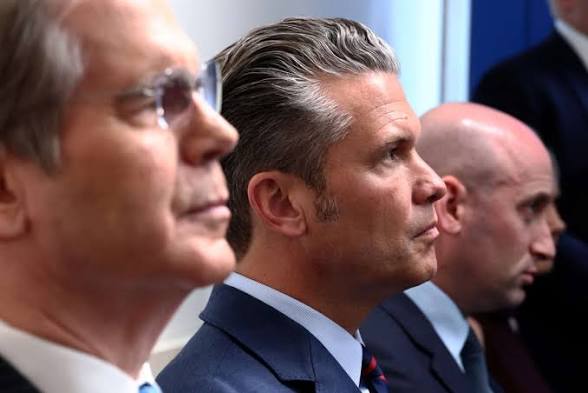
Why a growing number of Trump officials are moving to military bases
About half a dozen members of President Donald Trump’s administration now live in Washington military housing, a historically high number, citing foreign and domestic threats, while the Pentagon must report to Congress this spring on the arrangements.
About half a dozen members of President Donald Trump’s administration now live in Washington military housing, a historically high number, as officials cite threats from foreign adversaries and domestic political violence.
The residences, more than a century old and behind access-controlled gates, were intended to house generals and other top military officials. Senior civilian officials rarely lived in them under past presidents.
Treasury Secretary Scott Bessent is the most recent Cabinet member known to have moved, leaving his Georgetown mansion for a secure military base. Speaking in a televised interview earlier this month, he said Iranian threats on his life forced the change. “F the Iranian leadership,” Bessent said. “I’m not going to be cowered. They have initiated death threats against me and other members of the Cabinet. We’re not going to be cowered.”
Attorney General Todd Blanche was also recently relocated to a base over safety concerns, according to people familiar with the matter. His predecessor, Pam Bondi, lived on a base last year. Defense Secretary Pete Hegseth, Secretary of State Marco Rubio and White House chief of staff Stephen Miller live at Fort McNair.
A recent report said Iran is developing plans to target senior Trump officials with a dirty bomb or chemical weapon in Washington.
Miller and his wife, Katie, moved last year from their Virginia home. A White House official said, “The Millers relocated because there was an elaborate, well-documented stalking, doxing, and threat campaign targeting their residence.”
Thomas Kahn, director of the Center for Congressional and Presidential Studies at American University, said the arrangement “contributes to or exacerbates the isolation of public officials.”
Officials pay rent, typically upwards of $4,500 per month. Under a 2008 change, defense secretaries pay 5% more than a four-star general or admiral. Hegseth drew criticism last year when lawmakers learned the Army was preparing to spend $137,297 on repairs and upgrades to his Fort McNair residence.
Rep. George Whitesides of California secured House Armed Services Committee approval for a report the Pentagon must submit by this spring on political appointees in military housing, including the threats justifying their moves, legal authority for the arrangements and rental costs.
POPULAR
- Africa’s biggest airline hit by cyberattack…
- Fashola says penalty for rigging ‘is not death’, TuFace says ‘rig and die’ sounds correct
- Is Makinde stepping down for Atiku? Fresh facts emerge
- Full List: African countries eligible for Italy’s 2026–2028 work visa programme
- Jamal Musiala to be sidelined for another 4-6 weeks