 Rifnote
Loading your desk
Rifnote
Loading your desk


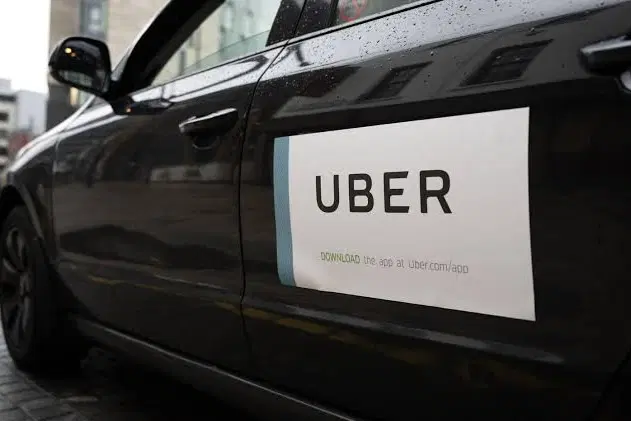
Uber paid Nigerian drivers more than it charged riders, report finds
New data shows Uber’s pricing model was doomed in Nigeria
Uber was paying Nigerian drivers more than it charged passengers on many short trips, an unsustainable subsidy that contributed heavily to the ride-hailing giant’s abrupt exit from the country this month, according to a report by a new report based on thousands of Uber trips, Semafor. semafor
The company quit Nigeria and Uganda on September 2, the same day it announced a global restructuring that cut 10% of its staff worldwide. It still operates in four African countries, including South Africa and Kenya. semafor
The findings come from Obi, a California-based ride-hailing data aggregator, whose CEO, Ashwini Anburajan, said demand in Nigeria was low and the political and economic climate made matters worse, forcing Uber to subsidise driver pay to keep them on the road. semafor
The data showed Uber paid Nigerian drivers up to 23% more than passengers were charged on trips under 12 miles, a pattern rival InDrive avoided. A typical Nigerian Uber driver averaged 130 rides in the first seven months of 2026 — barely a tenth of the volume recorded in South Africa. semaforsemafor
Bolt has since captured 60% of Nigeria’s ride-hailing market, the report noted, aided by localised features Uber failed to adopt. Analysts say a “challenging macroeconomic environment,” including a sharply devalued naira and soaring fuel costs, ultimately made Uber’s model unsustainable in the country.
More News:
- Barcelona identify Harry Kane and Erling Haaland as striker alternatives
- ‘I risked everything’ — Mourinho reveals gamble behind dramatic Real Madrid win
- 15 players could miss Man United vs Brighton as Carrick gives injury update
- ‘I think it is unfair’ — De Zerbi reacts to Tottenham’s 3-1 Liverpool loss