 Rifnote
Loading your desk
Rifnote
Loading your desk


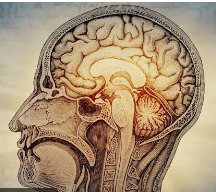
What happens to your brain after 50?
It starts innocently. A name refuses to come. You walk into a room and forget why you’re there. Your phone is in your hand, yet you spend several minutes looking for it. An old friend’s face is familiar, but the name just won’t come. “It’s old age,” someone says.
For millions of people, especially as parents and relatives move into their 50s, 60s and 70s, such moments have become almost too ordinary to question. But scientists are beginning to see the ageing brain differently.
New research has found that the human brain undergoes a major biological shift between about 50 and 75. Deep inside the brain, some of the immune cells that have been there since early development begin to decline. They are increasingly replaced by cells with stronger inflammatory characteristics.
At the same time, cells that help maintain the brain’s protective barrier become less abundant, while the highly organised three-dimensional structure of DNA inside several types of brain cells begins to deteriorate.The changes are happening long before most people would think of themselves as elderly, and that is what makes the discovery particularly intriguing.
For Nigerians, 50 is often an age of peak responsibility rather than retreat. There are children in university, ageing parents to support, businesses to run, careers to manage and, increasingly, plans to remain economically active well into the 60s and 70s. Life may be moving faster than ever. Yet, underneath it all, the brain may already be undergoing a profound transformation.