 Rifnote
Loading your desk
Rifnote
Loading your desk


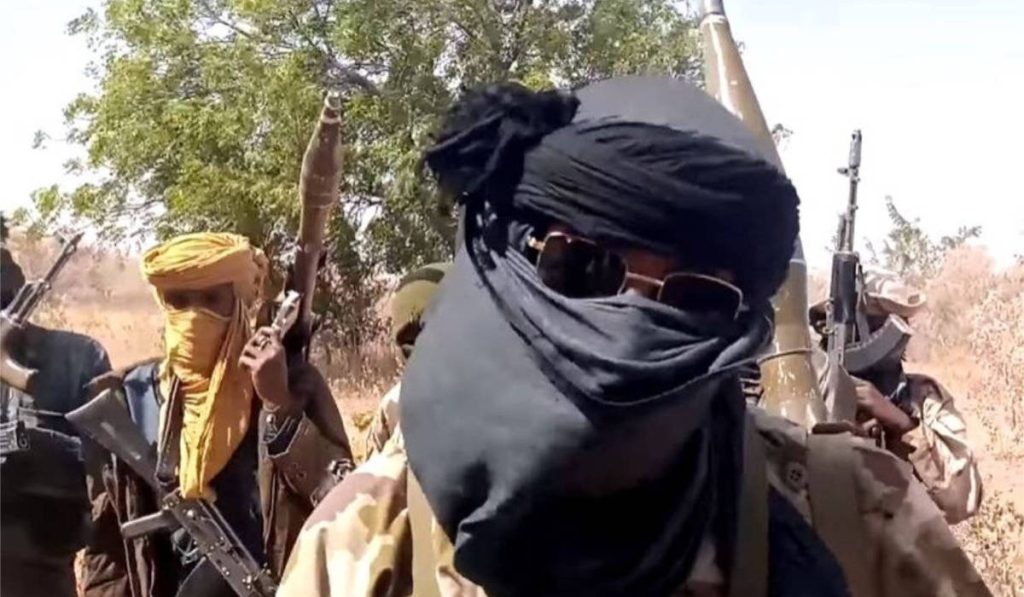
How profitable is kidnapping in Nigeria? A new report puts a devastating number on it
Kidnapping has become one of Nigeria’s most profitable criminal enterprises — and a new report reveals just how lucrative the industry has become, with ransom payments more than tripling in a single year even as the death toll from abductions climbs sharply.
Lagos-based security consultancy SBM Intelligence documented at least 7.78 billion naira ($5.8 million) in confirmed ransom payments between July 2025 and June 2026 — up from 2.56 billion naira the previous year — as the number of people abducted rose 66% to 7,825, according to Reuters. At least 1,142 people were killed, including 895 civilians.
How Profitable Is the Business?
The figures, drawn from media reports, interviews and publicly available information, are almost certainly conservative — SBM acknowledged that many ransom payments are never disclosed, partly because paying ransom is illegal under Nigerian law. The true scale of the industry is likely significantly larger.
Boko Haram — formally known as Jama’atu Ahlis Sunna Lidda’awati Wal-Jihad — collected approximately 7 billion naira, or 90% of all recorded ransom payments in the northeast, driven largely by two mass incidents, per France 24. In November, some 315 pupils and staff were seized from a school in Papiri, Niger State. Earlier, more than 400 people were abducted from Ngoshe in Borno State. AFP reported at the time, citing intelligence sources, that the government paid at least 2 billion naira to Boko Haram for the release of St Mary’s Catholic School victims — a claim authorities denied.
Mass abductions have become the dominant model. SBM noted that 80% of all victims were taken in “group seizures” — a shift from individual targeted kidnappings to industrial-scale operations designed to maximise ransom yield while spreading risk across large numbers of captives held for weeks or months.
The northwest remains the hardest-hit region by volume, with heavily armed bandits operating alongside an increasingly jihadist presence. The northeast, however, generates the highest ransom revenues due to Boko Haram’s organisational sophistication and its targeting of schools — a tactic first brought to global attention by the 2014 Chibok abduction.
The Cost Beyond Money
The financial cost to victims and their families is only part of the damage. “School abductions have resurged, with the Papiri attack reviving a tactic whose costs ripple through education, farming and public trust,” SBM said. The consultancy warned that without a coordinated strategy targeting both the profitability of kidnapping and its structural roots, “Nigeria risks entrenching kidnapping not merely as a criminal industry but as a funding mechanism for the very groups that most threaten its stability.”
President Bola Tinubu — who ordered security forces last week to rescue as many as 600 civilians kidnapped in Niger State — pledged on taking office three years ago to tackle insecurity. Analysts say the surge in abductions shows that pledge has not translated into tangible results. Security and the economy are expected to feature heavily in Nigeria’s January 2027 elections, where Tinubu is seeking a second term.