 Rifnote
Loading your desk
Rifnote
Loading your desk


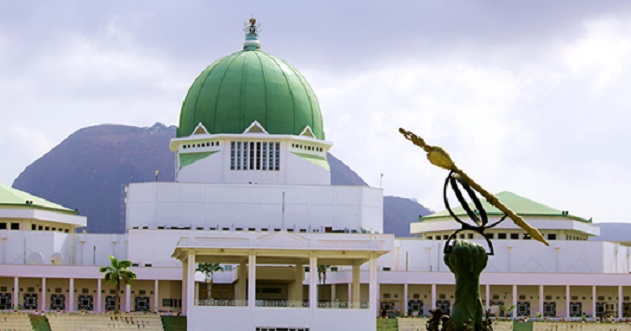
Only 5 of 36 State Assemblies back state police bill as 30-day deadline expires
Nigeria’s proposed constitutional amendment to establish state police has suffered a setback, with only five of the country’s 36 state Houses of Assembly approving the bill ahead of the October 16 deadline.
The five states are Edo, Osun, Oyo, Rivers and Zamfara, while the remaining 31 legislatures have yet to reach final decisions.
According to The PUNCH, the National Assembly transmitted the bill to state legislatures on September 16, giving them 30 days to communicate their positions.
Under Section 9(2) of the 1999 Constitution, constitutional amendments require approval from at least 24 state assemblies before proceeding for presidential assent.
Several states, including Ogun, Delta, Abia, Anambra, Imo and Kaduna, are still reviewing the proposal or planning consultations.
Zamfara Assembly spokesperson Nasiru Biya-Buki confirmed that the state had approved and forwarded the bill to Abuja.
“The Zamfara State House of Assembly has since passed the bill regarding the creation of the state police,” he said.
Despite the delays, Senate spokesperson Yemi Adaramodu assured Nigerians that the amendment would be completed before the current National Assembly ends its tenure.
“There is no need for fear. This is the 10th Senate, isn’t it? I can assure you that it will be done in the life of this 10th Senate before the next one comes on board,” he assured.
Meanwhile, presidential Chief of Staff Femi Gbajabiamila disclosed that the National Policing Bill, intended to operationalise state police, was 90 per cent ready.
He said the proposed legislation would reach the National Assembly within two weeks.
The reform seeks to decentralise policing and strengthen local responses to insecurity, including kidnapping, terrorism and banditry, while establishing oversight mechanisms to prevent abuse.
However, concerns remain over possible political interference in state-controlled security agencies nationwide.
POPULAR
- More than 70% of terrorists behind Nigeria’s security crisis are foreigners — Akpabio
- How Nigerians can check if their phones are NCC-approved
- Eight-month-pregnant Osimhen girlfriend involved in multiple-vehicle crash
- Calabar Teaching Hospital plans mass burial for over 50 unclaimed corpses
- Now you can call anyone with WhatsApp, even if they don’t have WhatsApp