 Rifnote
Loading your desk
Rifnote
Loading your desk


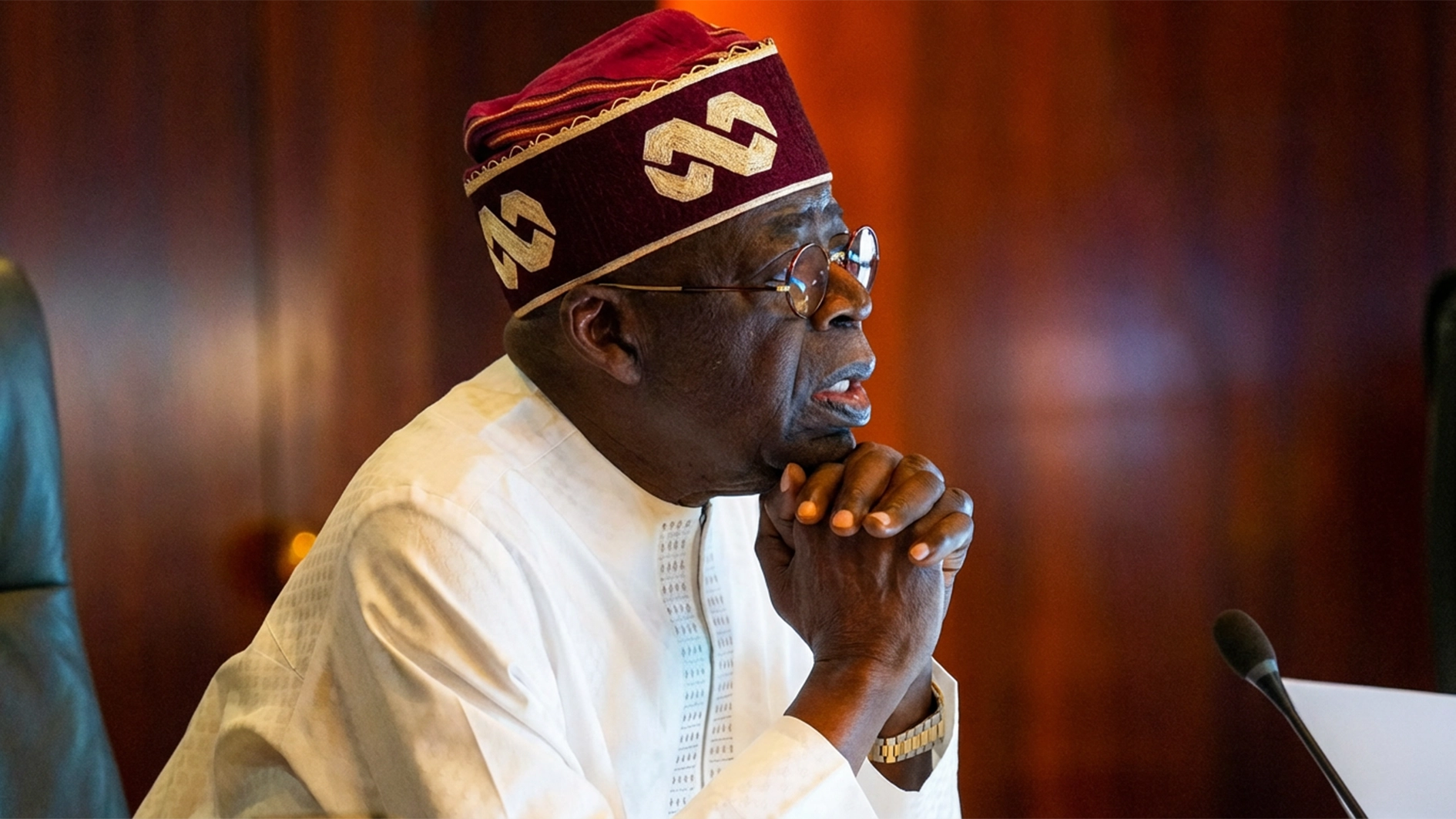
Nigeria’s President files four arguments in US court to block release of FBI and DEA drug investigation records
From privacy rights to foreign interference: How President Tinubu is fighting America’s FOIA system
Nigeria’s President Bola Tinubu has gone to court in the United States to personally block the release of FBI and DEA records connected to a 1990s Chicago heroin trafficking investigation — advancing four legal arguments that his team says justify keeping the documents sealed from public disclosure, according to The Punch and Daily Trust.
The case, Aaron Greenspan v. Executive Office for U.S. Attorneys, et al., Civil Action No. 23-1816, was brought by American transparency activist Aaron Greenspan, who filed 12 Freedom of Information Act requests between 2022 and 2023 seeking records from six US federal agencies — including the FBI’s complete file on Tinubu and interview records from 1992 to 1993 — related to a Chicago heroin trafficking investigation. In April 2025, US District Judge Beryl Howell ordered the FBI and DEA to process and release non-exempt documents after ruling their blanket refusal to confirm or deny whether they held records was “neither logical nor plausible.”
Tinubu’s legal team subsequently intervened in the case, filing papers advancing four core arguments for why the records should remain withheld.
THE FOUR ARGUMENTS:
1. Right to Privacy
Tinubu’s lawyers argued that his constitutional right to privacy outweighs the public interest in obtaining his law enforcement records. They contended that even his status as a sitting head of state does not extinguish his fundamental privacy rights — and that the records, being connected to an old civil forfeiture matter rather than a criminal conviction, retain a private character that FOIA’s public interest provisions do not override.
2. The Request Is Politically Motivated
Tinubu’s legal team directly accused Greenspan of pursuing the records not to uncover government misconduct but to damage Tinubu politically ahead of Nigeria’s 2027 presidential election. His lawyers characterised the FOIA requests as an effort to “influence politics in a foreign nation” — arguing that using American transparency law as an instrument of Nigerian opposition politics falls outside the legitimate purpose FOIA was designed to serve.
3. No Qualifying Public Interest Under FOIA
Under FOIA law, records that would otherwise be protected by privacy exemptions can still be released if disclosure serves a significant public interest — specifically, by shedding light on the conduct of a government agency rather than on a private individual. Tinubu’s lawyers argued that Greenspan’s filings show his primary objective is to obtain information about Tinubu personally, rather than to uncover possible misconduct by the FBI, DEA or other US government agencies. They contended that public curiosity about the president’s background, political career or suitability for office does not amount to the kind of public interest FOIA recognises as sufficient to override privacy protections.
4. No Evidence of Government Misconduct or Cover-Up
Tinubu’s legal team dismissed claims of a secret prosecution or government cover-up as “unsubstantiated allegations,” arguing that Greenspan had not presented sufficient evidence of wrongdoing by the US government to justify additional disclosure beyond what the agencies had already released. They argued the case amounted to a fishing expedition against a foreign head of state rather than a legitimate accountability exercise targeting American law enforcement conduct.
The case now sits with Judge Howell, who set an August 28 deadline — described pointedly as “and no later” — for all parties to file their final positions. The FBI separately sought permission to file a sealed declaration explaining its reasons for withholding specific records privately to the judge — citing risks to investigative methods and individual safety that it says cannot be disclosed in open court. Tinubu has consistently denied any criminal wrongdoing, with his team describing the 1993 forfeiture of $460,000 in funds connected to him as a civil matter in which he was never charged, indicted or convicted of a criminal offence.
POPULAR
- Omar insists “my name has always been Ilhan Omar” after Trump’s resignation demand
- I think Omar will resign from Congress—Alan Dershowitz
- Why are scientists suddenly so concerned about an asteroid hitting Earth?
- Nollywood loses another actor amid mourning for Francis Duru
- Ilhan Omar calls Trump a “creep” after he revives “fake name” and marriage claims